Education pathways
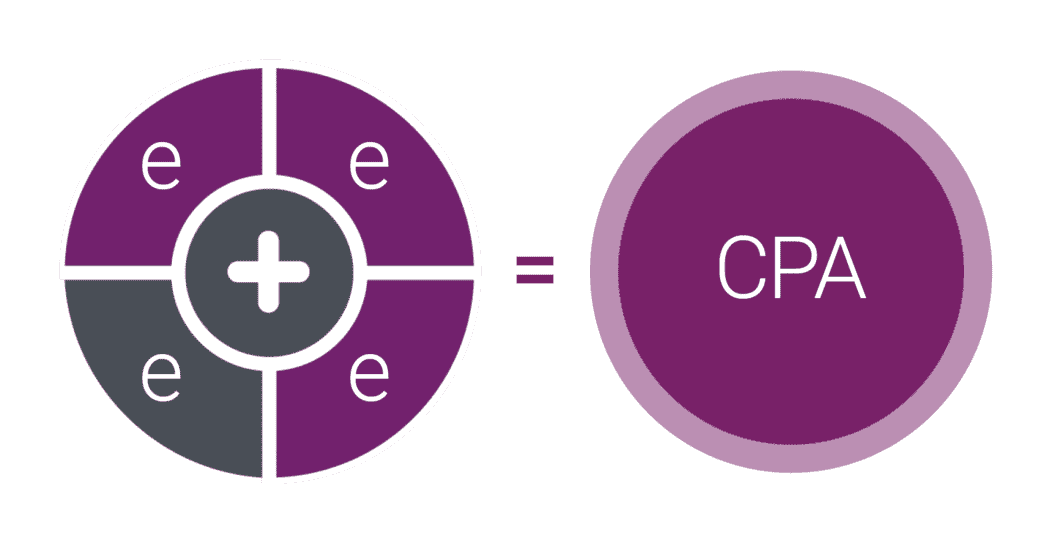
To earn your license, don’t forget the four E’s: education, experience, ethics and the CPA Exam.
You have options! There is more than one way to meet your educational requirements for CPA licensure. You could choose to obtain an advanced degree (like an MBA or MAcc), opt for the route of securing a bachelor’s degree plus 30 credits (flexibility in the type of courses and where you get them), or in some states – graduate with a bachelor's degree with a concentration in accounting. The decision is yours.
You’ve got options
This isn’t about replacing the current licensure model — it’s about adding a new path. You can still pursue the traditional paths, which are:
Earning a master’s degree in accounting, completing one year of supervised experience, and passing the CPA Exam or
Completing a bachelor’s degree with an accounting concentration plus up to 30 additional credit hours, completing one year of supervised experience, and passing the CPA Exam
The new pathway, which is not yet available in all states, involves:
Earning a bachelor’s degree with an accounting concentration, completing two years’ of supervised experience, and passing the CPA Exam.
What should you do
See what pathways are available in your state: Visit NASBA's website to determine whether your state has adopted this new licensure path
Explore your options: Meet with an advisor, coach/mentor, or current employer to see how this fits into your academic and career plans. For more information, check out these FAQs.
Think long term: Choose the path that fits your goals, learning style, and timeline. Check out this decision guide to help you evaluate which path is right for you.
Stay informed: Monitor updates from the AICPA, NASBA, your state CPA society and your state board.